Read It
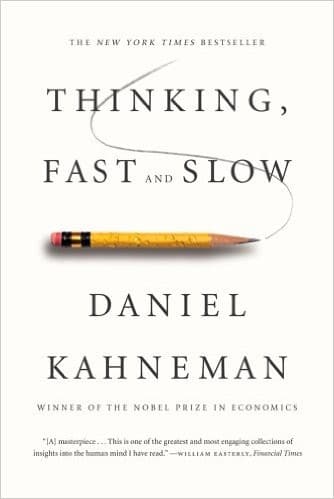
Kahneman isn't really asking why people are irrational. He's asking why smart people make the same systematic mistakes in predictable situations. The surface problem is bad decisions; the deeper problem is that our brains default to fast, automatic System 1 for most things, while System 2 is too lazy to check the work. Bias becomes the norm, not the exception.
 Open full InkMap ↗
Draw It
I didn't follow the chapter order. Instead, I split the book into three layers. The bottom layer is the two-system model, which explains where biases come from. The middle layer is heuristics and biases, showing how System 1 swaps hard questions for easy ones. The top layer is prospect theory and the two selves, showing how these biases extend into risk and happiness judgments. Once you see it this way, all the specific biases stop looking like isolated quirks—they share one mechanism.
Take It With You
The book's real value isn't making you stop making mistakes. It's giving you a vocabulary so that after a mistake, you can say clearly: was that System 1 or System 2?
CHAPTER BY CHAPTER